ERUCIC ACID
Also known as
ERUCIC ACID
SKU
RXSOL-45-4504-180
SUPPLY LOCATION:
Category
Variations


Erucic acid, a 22-carbon monounsaturated fatty acid (22:1ω9), is found in rapeseed and mustard oils, and is also known as cis-13-docosenoic acid. It is a major component of rapeseed and mustard oils, and its presence has led to selective breeding for low-erucic acid varieties for food use.
Note
PRECAUTION::
- Consult with a doctor: If you have concerns about your erucic acid intake or potential health risks, consult with a healthcare professional.
- Limit high erucic acid oil consumption: Individuals, especially children, who consume high amounts of foods containing erucic acid should be cautious.
- Choose heart-healthy oils: Consider using alternate heart-healthy oils for cooking, such as canola, peanut, olive, soybean, or sunflower oil.
- Be aware of erucic acid content in food: Pay attention to the erucic acid content of edible oils and fats, especially those derived from rapeseed and mustard.
- Chemical Formula: CH3(CH2)7CH=CH(CH2)11COOH
- Molecular Weight: 338.57
- CAS Number: 112-86-7
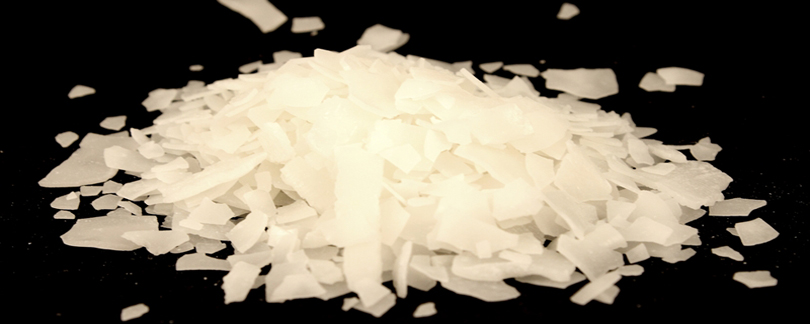
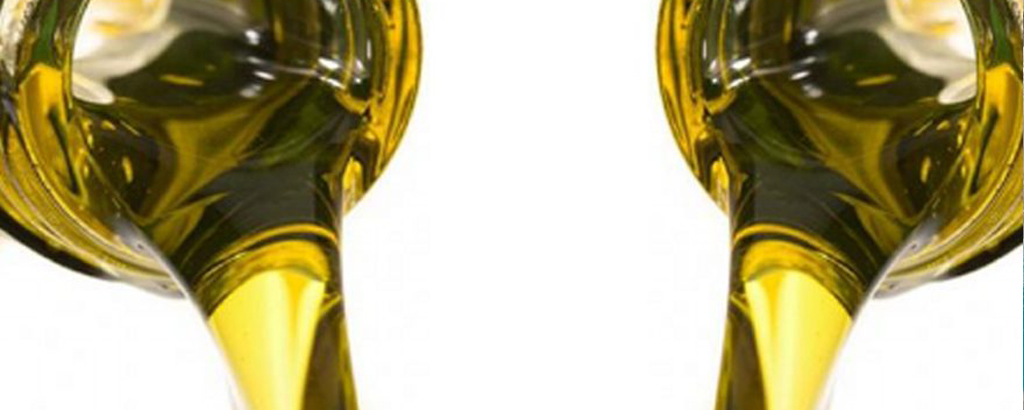
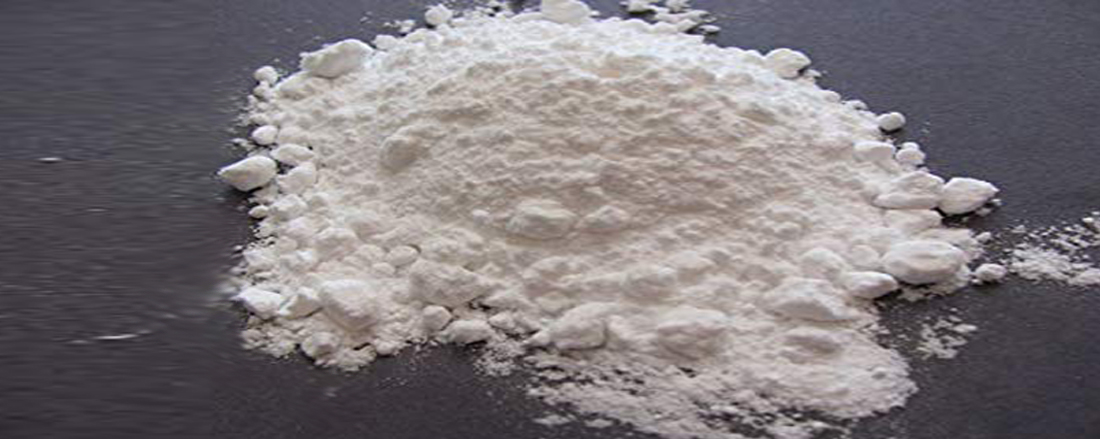
- Appearance: Pale yellow liquid or powder/crystals
- Assay: ~90% (GC)
- Boiling Point: 358 °C / 400 mmHg (lit.)
- Melting Point: 28-32 °C (lit.)
- Solubility: Slightly soluble or insoluble in water
- Odour: Characteristic fatty odour
Industrial Applications:
- Lubricants: Erucic acid and its derivatives (like erucamide and erucate esters) are used in lubricants for continuous steel casting, formulated lubricants, and rubber additives.
- Surfactants: Amides of erucic acid are used as surfactants.
- Plastics and Polymers: Erucic acid can be used to produce nitrogen derivatives such as behenyl amine (a corrosion inhibitor) and disubstituted amides (plasticizers).
- Coatings: Erucic acid can be used in the production of coatings.
- Detergents: Erucic acid is used in the production of detergents.
- Cosmetics and Pharmaceuticals: Erucic acid is used in the production of cosmetics and pharmaceuticals.
- Ozonolysis: Oxidative ozonolysis of erucic acid produces dibasic acids like brassylic acid and monoacids like pelargonic acid.
- Nitrogen Derivatives: Erucic acid can be used to produce nitrogen derivatives such as behenyl amine, a corrosion inhibitor, and erucamide, a slip and antiblocking agent for plastic films.
- Remyelinating Effects: Erucic acid can be transformed into nervonic acid, a crucial element of myelin, which may be crucial for treating different demyelinating conditions.
- Antioxidant and Anti-inflammatory Effects: Erucic acid may have therapeutic roles in different neurodegenerative disorders.
- Adrenoleukodystrophy Treatment: Erucic acid is a fatty acid used in the treatment of Adrenoleukodystrophy.
- Neuro protective Effects: Erucic acid may act beneficial in Multiple Sclerosis and Alzheimer's disease.
- Myocardial Lipidosis: Erucic acid has demonstrated favorable effects in rodents, including ameliorating myocardial lipidosis (fat accumulation in the heart muscle).
- Cognitive Function: Erucic acid improves cognitive function.
- Huntington's Disease: Erucic acid has a part in Huntington's disease.
- Influenza A Virus Inhibition: Erucic acid inhibits influenza A virus.
Related Product: