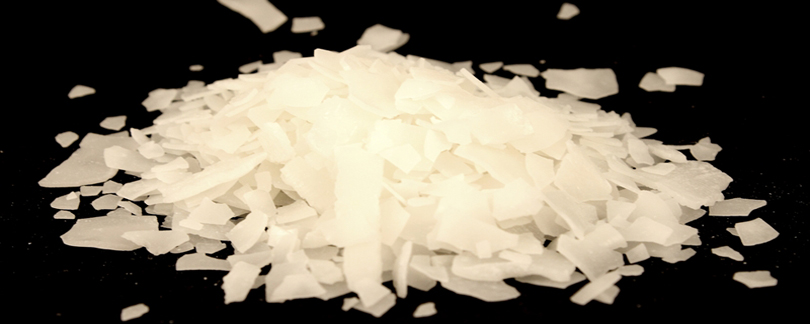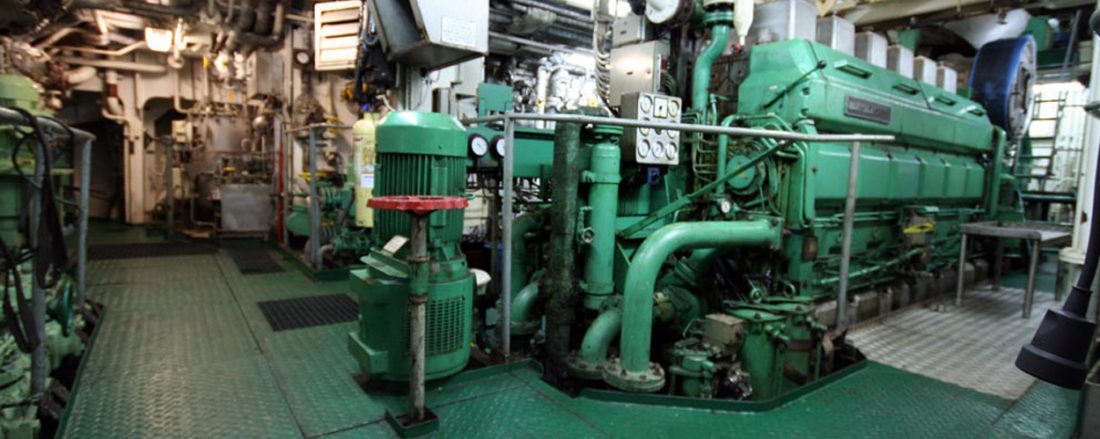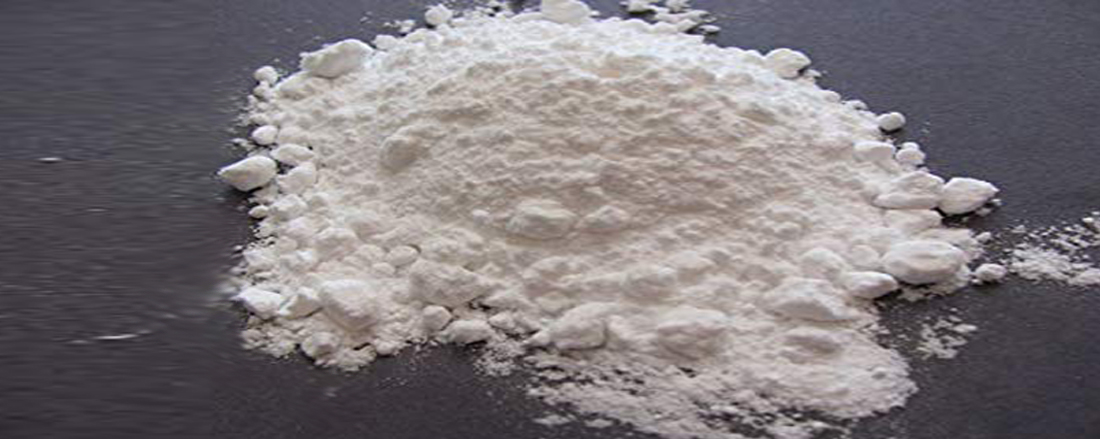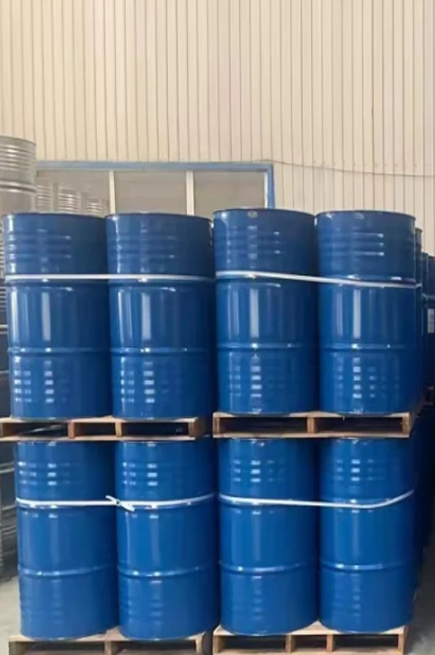


A brine solution used across many industries. Brine is a concentrated saltwater solution.
Note: Industrial-grade brine (often containing additives) is not suitable for food consumption.
A brine solution is a high-concentration mixture of salt (typically sodium chloride or calcium chloride) in water, generally ranging from 3.5% to 26% saturation. It is used for food preservation (pickling, marinating), industrial refrigeration, and road de-icing, and it is a by-product of desalination. Brine enhances flavor and retains moisture in meats.
Safety & Handling
-
Non-hazardous, but can be corrosive to metals at high concentrations
-
Use corrosion-resistant materials (plastic, SS)
-
Rinse spills to avoid salt buildup
Typical Uses of Brine
-
Industrial cooling systems & refrigeration
-
Water softener regeneration
-
Food processing & preservation
-
Marine & offshore applications
-
Chemical processing
-
Pickling & curing processes
- Food Application: Used in cooking to season meat, fish, or vegetables, allowing them to remain moist and juicy during cooking. A typical brining time is about one hour per 1.5 pounds of meat.
- Industrial/Environmental Application: Used heavily for de-icing roads. It is also a byproduct of desalination and mining.
-
Physical Properties: Saturated brine has a freezing point much lower than
(), making it effective for anti-icing.
-
Preparation: Salt dissolves faster in warm water (2–5 minutes of stirring) compared to cold water (20+ minutes).
Example Basic Brine Formula

Common Brine Concentrations
-
Weak brine: 3–5% salt
-
Medium brine: 8–12% salt
-
Strong brine: 15–20% salt
-
Saturated brine: ~26% salt (maximum at room temperature)