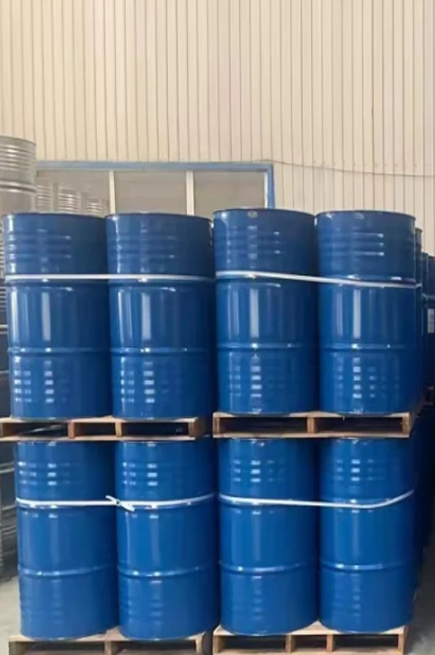


Perchloroethylene (PERC) is a widely used solvent in the dry cleaning industry due to its powerful degreasing and stain-removing properties.
Health & Environmental Concerns:
-
Toxic if inhaled in large amounts or over time (linked to liver, kidney, and nervous system effects)
-
Classified as a possible human carcinogen
-
Requires well-ventilated, sealed systems and PPE for operators
-
Strictly regulated in many countries (e.g., banned or phased out in California, EU restrictions)
Alternatives to PERC in Modern Dry Cleaning:
-
Hydrocarbon solvents (less aggressive, more eco-friendly)
-
Liquid CO₂ cleaning
-
Siloxane-based solvents (e.g., GreenEarth®)
-
Professional wet cleaning (water-based with special machines and detergents)
Conclusion:
Perchloroethylene remains effective but is increasingly being replaced due to safety and environmental concerns. Dry cleaners using PERC must comply with strict safety protocols and environmental regulations.
What is Perchloroethylene (PERC)?
-
Chemical Name: Tetrachloroethylene
-
Formula: C₂Cl₄
-
Type: Non-flammable, chlorinated solvent
-
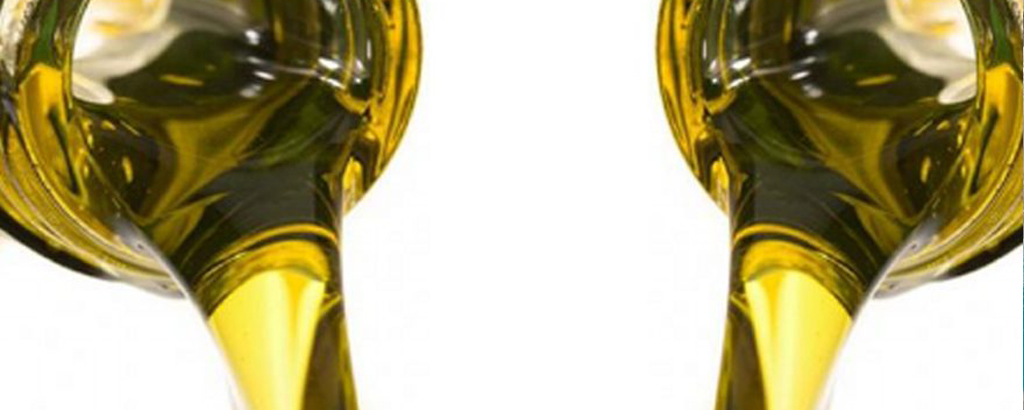
Appearance: Colorless liquid with a sweet, ether-like odor
How PERC is Used in Dry Cleaning
1. Cleaning Process Overview:
-
Clothes are loaded into a dry cleaning machine, which looks like a large front-loading washer.
-
Instead of water and detergent, PERC is used as the cleaning solvent.
-
The solvent dissolves oil, grease, and organic stains without damaging delicate fabrics like wool, silk, or rayon.
2. Cycle Steps:
-
Wash: PERC is pumped into the drum and circulated through the clothes.
-
Extract: The solvent is drained and extracted via spinning.
-
Dry: Clothes are dried with warm air, and the solvent is collected, condensed, and recycled for reuse.
Why PERC is Preferred (Historically):
-
Powerful cleaning agent for oils and greases
-
Non-flammable, making it safer for industrial use
-
Gentle on fabrics, preventing shrinkage and color fading
-
Recyclable within the machine, reducing waste